
Stress is a common experience that affects people of all ages and walks of life. It is a natural response to challenging or demanding situations, but it can adversely affect physical and mental health when it becomes chronic or overwhelming. Below, we have listed some important facts about stress.
Stress Is a Normal Response
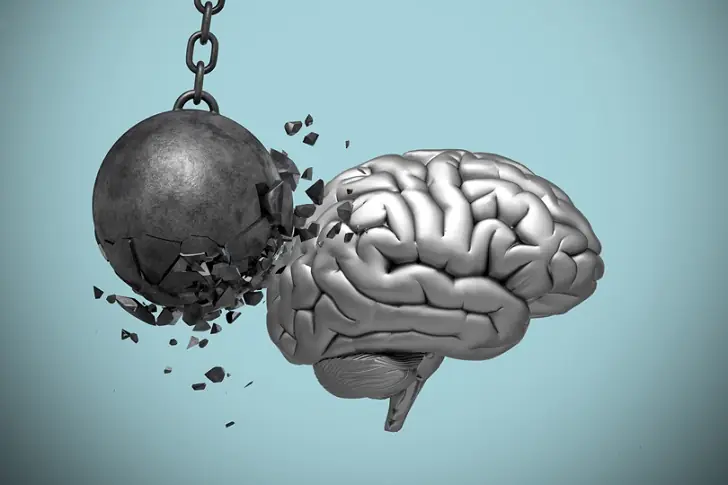
Stress is the body’s normal and natural response to perceived threats or challenges. It triggers physiological and psychological changes known as the “fight-or-flight” response. This response prepares the body to confront or flee the stressor.
Types of Stress
There are different types of stress that individuals may experience. Acute stress is short-term and is often caused by immediate stressors, such as a tight deadline or a sudden event.
Episodic acute stress occurs when a person frequently experiences acute stress. Chronic stress is long-term and results from ongoing stressors, such as financial difficulties or relationship problems.
Impact on Physical Health
Stress can have a significant impact on physical health. Prolonged or chronic stress can lead to various health problems, including high blood pressure, heart disease, weakened immune systems, digestive disorders, and sleep disturbances. It can also contribute to unhealthy behaviors such as overeating, substance abuse, and a sedentary lifestyle.
Impact on Mental Health
Stress doesn’t only affect the body; it can also take a toll on mental health. Chronic stress has been linked to an increased risk of developing mental health disorders such as anxiety and depression. It can also exacerbate existing mental health conditions, making symptoms more severe.

Stress Triggers Vary
Different people may have different stress triggers. While certain situations, such as public speaking or financial difficulties, are commonly stressful, individuals may also experience stress in response to personal relationships, work-related pressures, major life events, or daily hassles. Identifying personal stress triggers can help individuals better manage and cope with stress.
Not All Stress is Bad
While chronic or excessive stress harms health, not all stress is bad. Short-term stress can sometimes be beneficial. It can motivate individuals to take action, solve problems, and perform at their best. This type of stress is often called “eustress” or positive stress.
Stress Manifests Differently
Stress can manifest differently in individuals. While some people may exhibit physical symptoms such as headaches, muscle tension, or stomachaches, others may experience emotional symptoms such as irritability, mood swings, or difficulty concentrating. It’s important to recognize how stress may be present in different individuals.
Stress Management Techniques
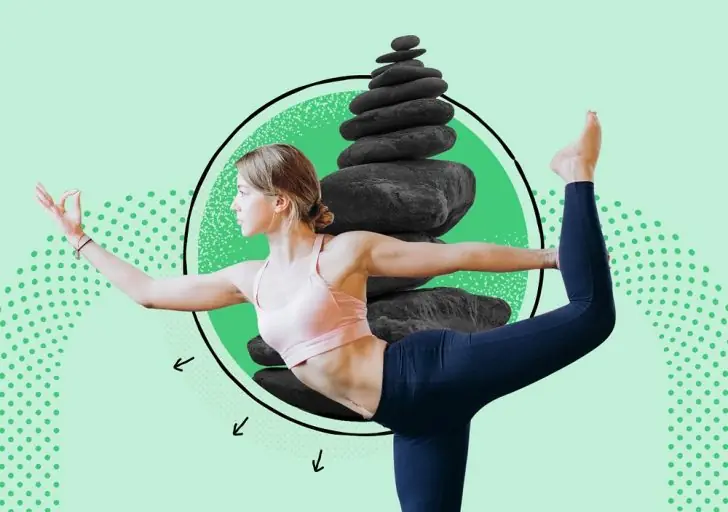
Various techniques can help individuals manage and reduce stress. These include regular exercise, practicing relaxation techniques such as deep breathing or meditation, maintaining a healthy lifestyle with proper sleep and nutrition, seeking social support, and engaging in hobbies or activities that bring joy and relaxation.
Stress and Productivity
Although stress can sometimes enhance productivity in the short term, chronic stress can hurt work performance. It can lead to decreased focus, impaired decision-making abilities, increased absenteeism, and decreased job satisfaction. Employers and individuals should prioritize stress management to maintain productivity and well-being.
Everyone Can Benefit From Stress Management
Stress is a universal experience; everyone can benefit from stress management techniques, regardless of age or occupation. Teaching stress management skills to children and adolescents can help them develop healthy coping mechanisms early in life. Similarly, adults of all ages can benefit from learning effective strategies to manage stress and improve their overall well-being.