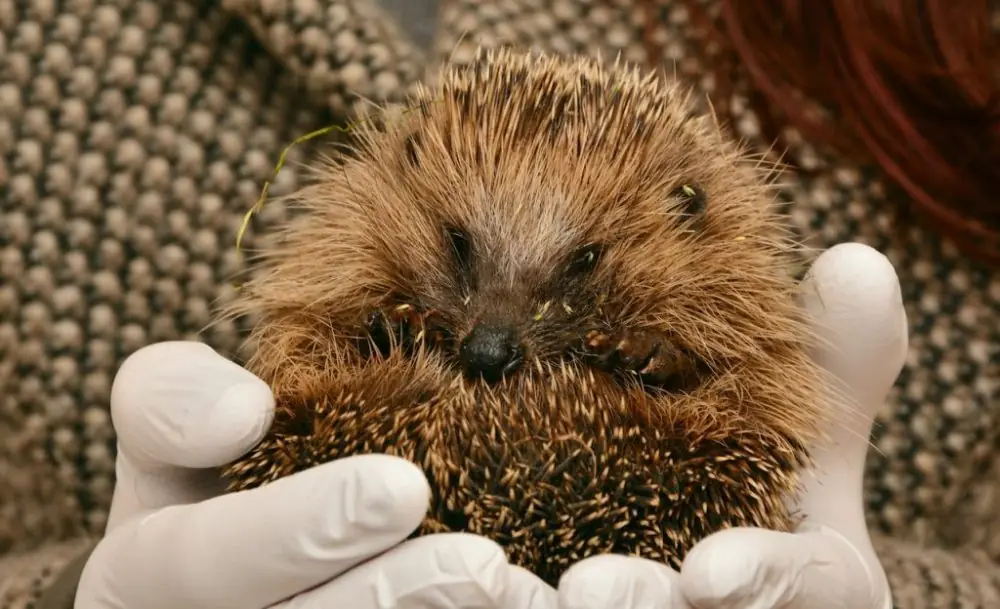
Every single living animal/organism on Earth is burning energy all the time; physical activities like walking and breathing burn energy. Similarly, pumping blood and digesting food also burns energy. For warm-blooded animals, a lot of energy is burned just to keep our body temperature where we need it. Even when we’re sleeping or thinking, we’re burning energy.
From butterflies to bats, hibernation is a way for many creatures to survive cold, dark winters without having to forage for food or migrating somewhere warmer. Instead, they turn down their metabolisms to save energy. However, the dangers of hibernating come from the animal’s vulnerability to predators and the unpredictability of the weather.

Aestivation, a type of hibernation, is also practiced by animals in hotter climes. They can withstand harsh heat, famine, and drought thanks to a similar mechanism that acts in this way. However, hibernation is a much deeper state than sleep. It can range from brief periods of inactivity to prolonged, deep unconsciousness, depending on the species.
How does hibernation work?
While some animals simply slow down and move less regularly, others enter a profound sleep and don’t reawaken until spring. Animals use less energy during hibernation because their body temperature drops as their respiration and heartbeat slow down. Some hibernators fall asleep for so long that it is very hard to wake them up, and they even seem dead!
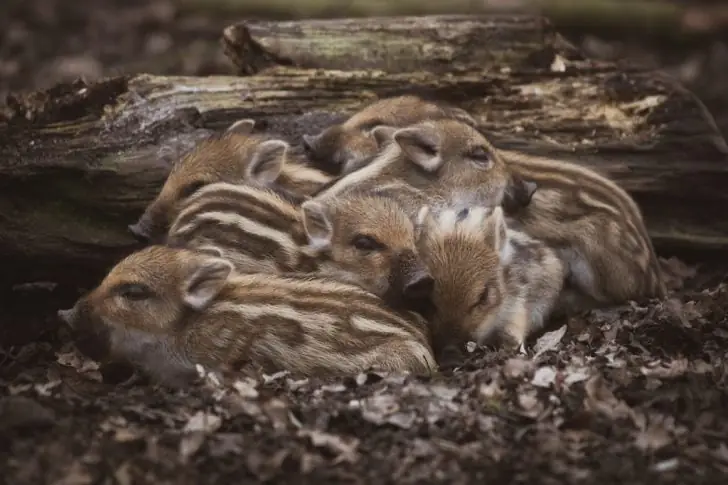
Animals that hibernate prepare for their winter slumber by consuming more food than they need and storing it as body fat, which they use as energy while they sleep. Regular white fat and brown fat are the two different forms of fat. The brown fat forms patches near the animal’s brain, heart, and lungs. It sends a quick burst of energy to warm these organs first when it is time to wake up.
If the temperature falls too low, some animals will awaken slightly and shiver to warm up a bit. Hibernators may also wake up for a short period every few weeks to go to the toilet and eat a little food if available.
A new UCLA-led study reveals a surprising discovery
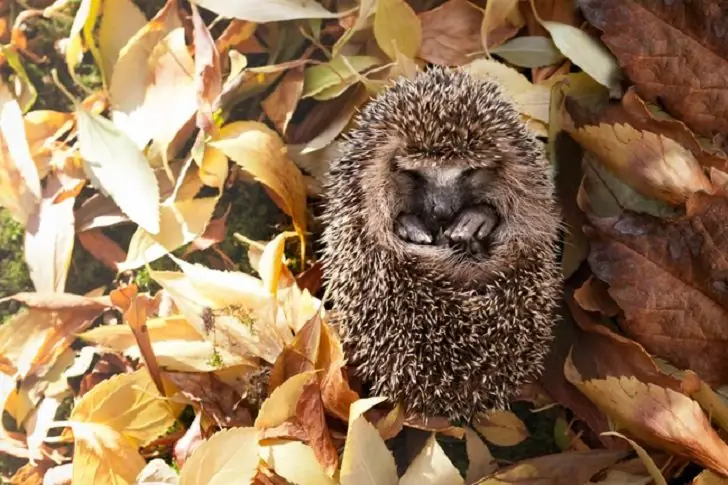
Hibernation slows down the shortening of telomeres and could explain why some rodents live longer than other animals, say researchers. A team of UCLA biologists and colleagues studying yellow-bellied marmots found that animals greatly delay aging during seven to eight months each year they spend hibernating. The study, the first to analyze the rate of aging in marmots in the wild, found their aging essentially stops during hibernation after they reach two years old, their age of sexual maturity.
The marmot study is only the latest from the Mammalian Methylation Consortium, which includes nearly 200 collaborators from across the globe. Previous research has looked at the lifecycles of a variety of mammals, including zebras, horses, bats, and mole rats, using epigenetic analysis, which enables scientists to estimate a person’s age in relation to the species’ maximum lifetime.